Pre-Owned Past
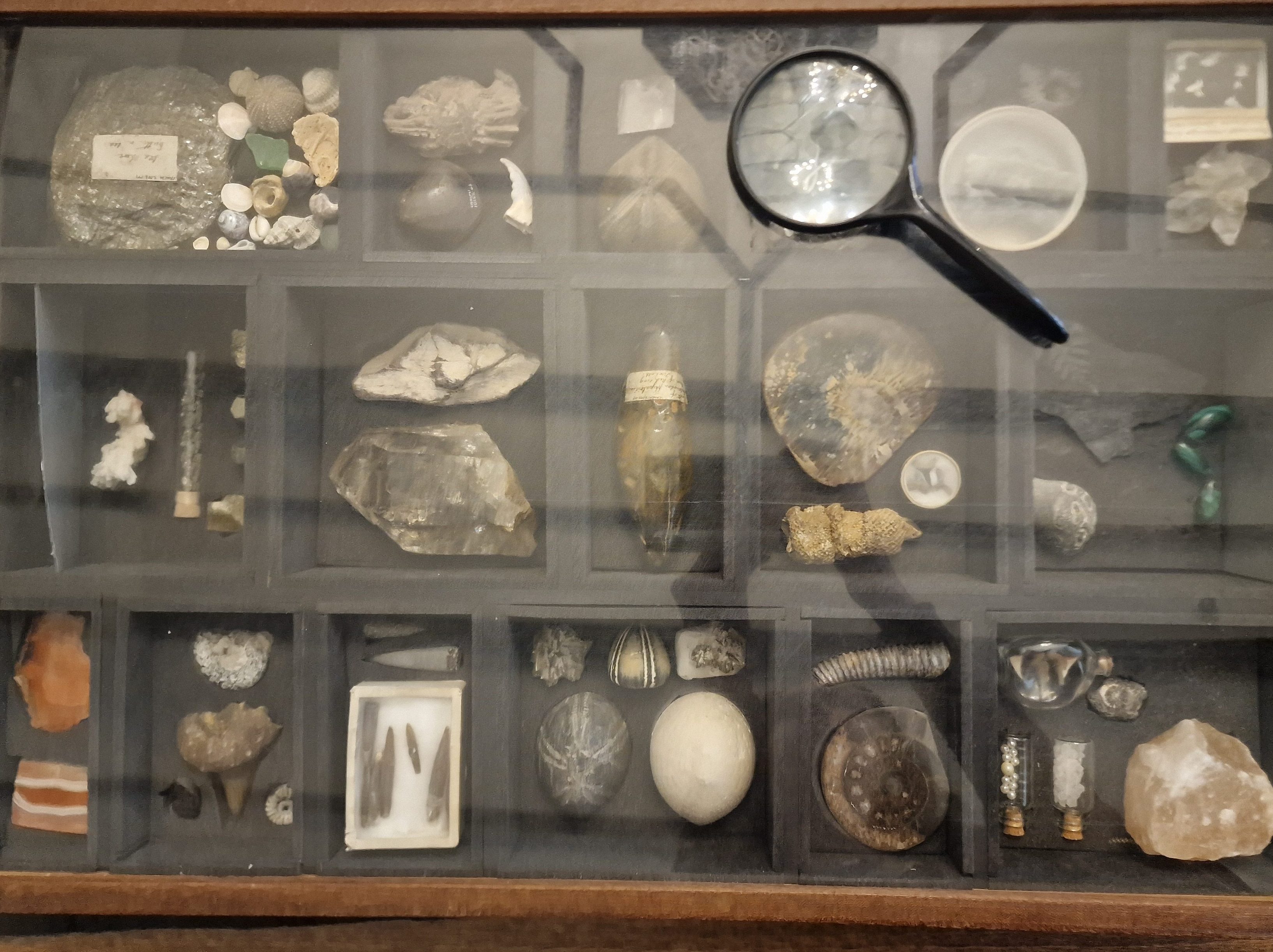
Reflections on the market for Cultural Heritage
About
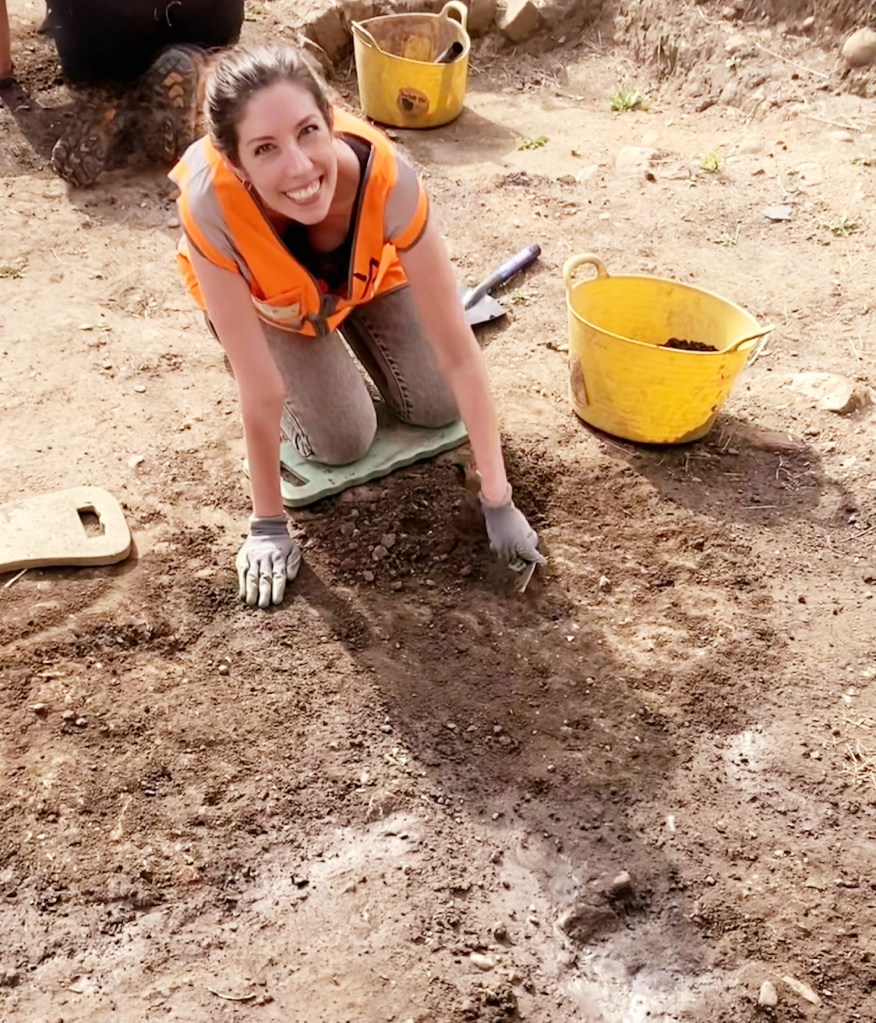
My name is Emily Peacock, and I am an academic researcher affiliated with the Trafficking Transformations project which is funded by the European Research Council.
My background is in Classical Studies and Roman archaeology, and I specialise in the international trade of cultural goods. My focus is on the trafficking of cultural and natural resources, including antiquities and fossils. I am interested in the values attached to heritage, and how such values change as objects move through the international market.
Pre-owned Past is where I share my thoughts on the trade for ‘old’ things living a second life on the contemporary art market.
Featured On
Save Ancient Studies Alliance
Port Ancient
Council for British Archaeology
Festival of Archaeology 2024
Blog
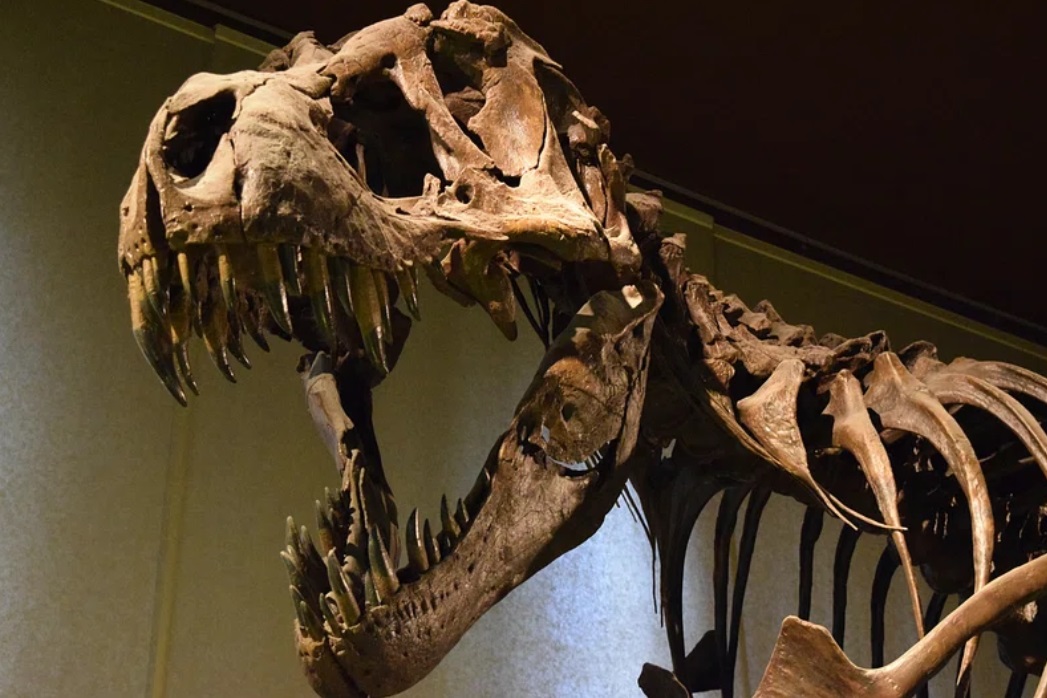
The market for Cultural Heritage is diverse and international, covering everything from exclusive high-end art exchanges in Paris to the illegal harvesting of succulents to be trafficked out of South Africa.
My focus is primarily on the last stage of the trade: the final sale of cultural goods. I am particularly interested in the motivations of both buyers and sellers at this point. While the high-end market has been studied extensively, I find the often-overlooked lower-end markets equally interesting.
In this blog, I share my insights and opinions based on my research and interactions with other academics and market participants. These are my personal views and aim to provide one perspective on the complex world of cultural heritage trading.
-
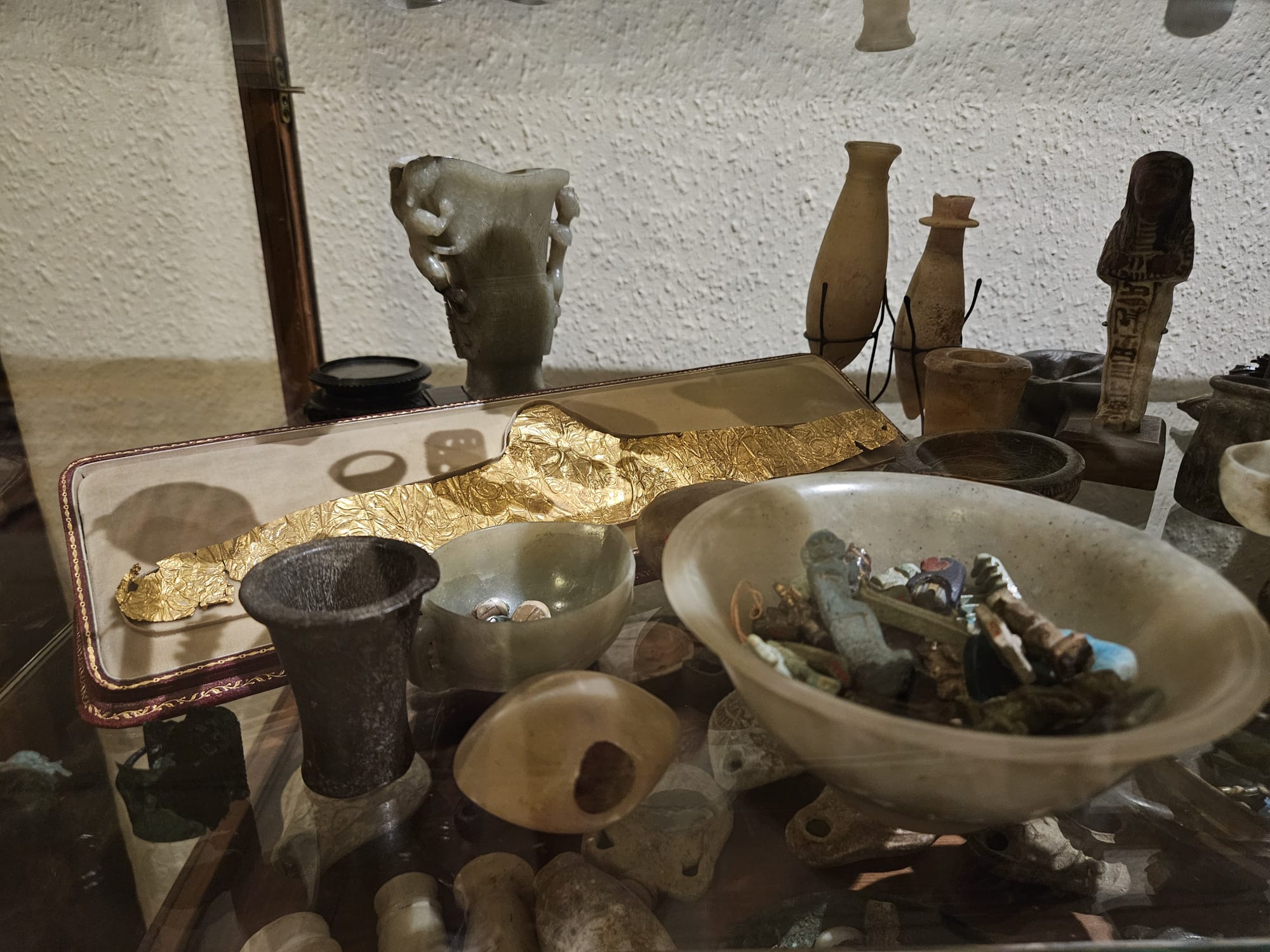
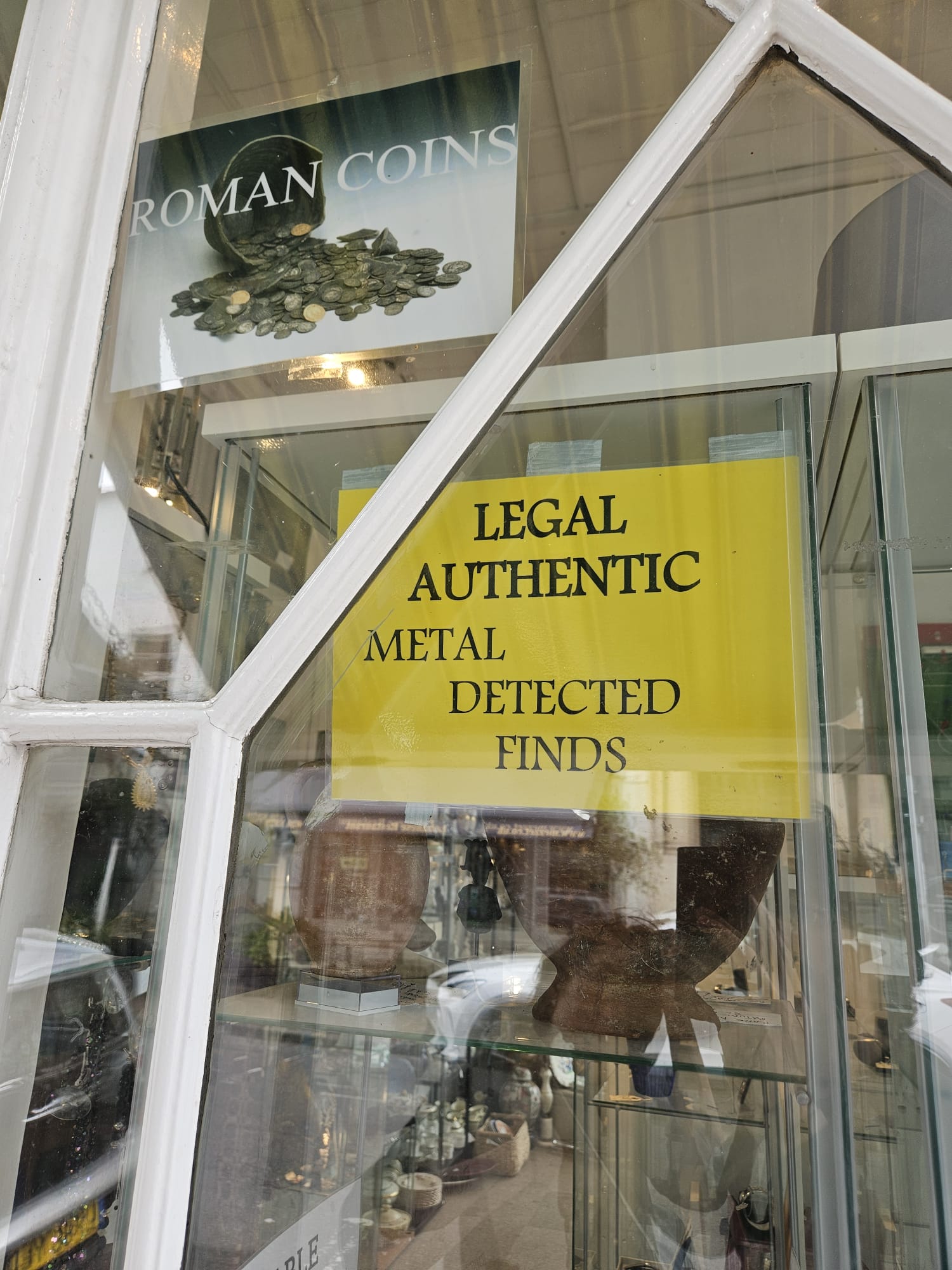
‘Can somebody please tell me if this is real??‘- (Antiquities Collecting Poster) I am writing a book chapter, and have been spending a lot of time in online forums for collecting small antiquities recently. My tabs bar has been overcrowded with websites with names like ‘Treasure Hunters’ and ‘Ancient Artefact Collectors’. As I mentioned in…
-
Sigmund Freud’s fervent collection of antiquities, particularly from the ancient Mediterranean, held great significance to him. These artifacts weren’t just historical relics, but tools that stimulated his psychoanalytical thinking. Freud’s deep fascination with ancient mythology and its integration into psychoanalysis left a lasting impact on modern thought.
-
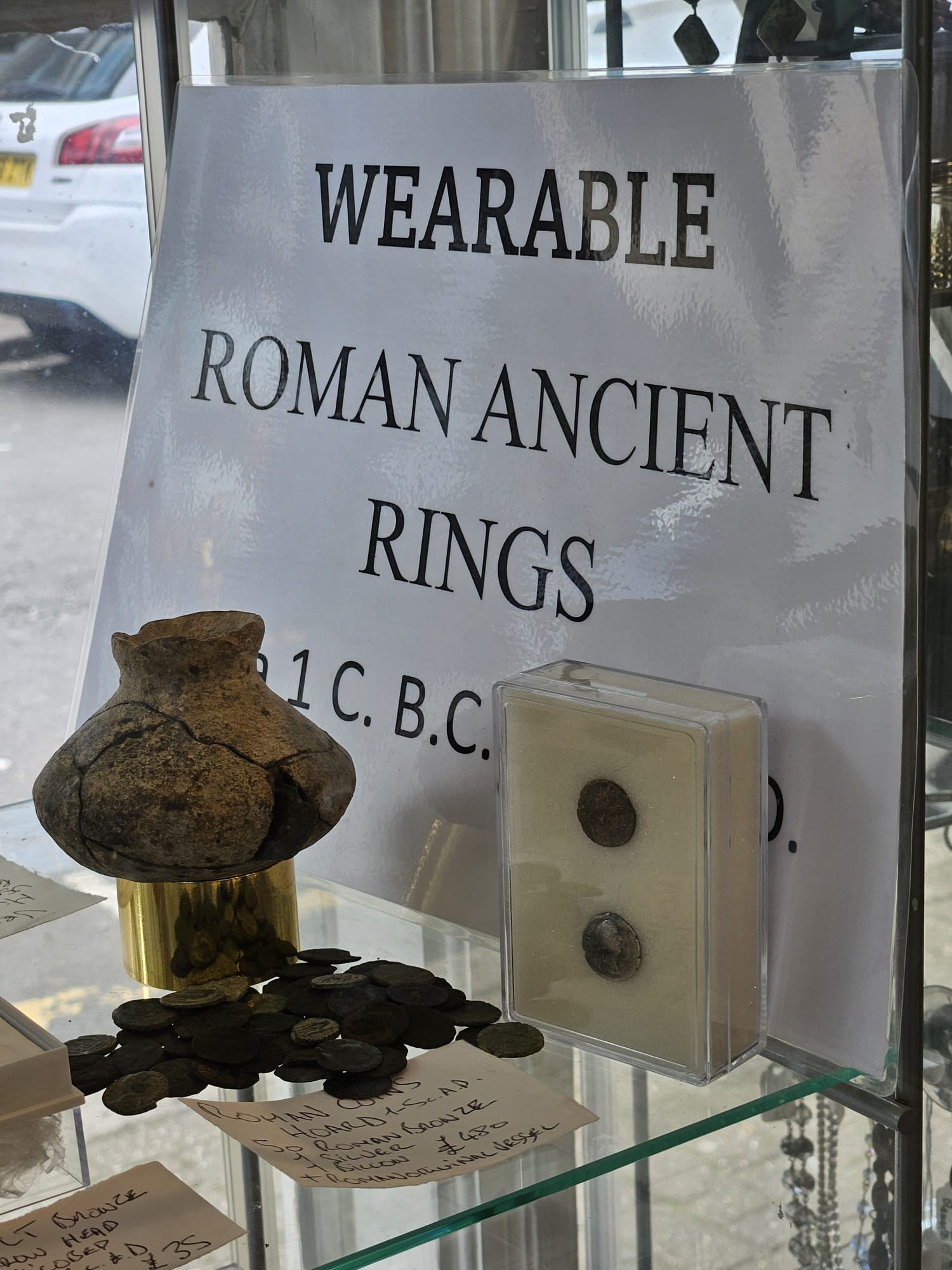
Prestigious auction houses experiencing sales declines and layoffs are driving collectors toward low-end antiquities. This shift signifies a deeper, personal connection to the past, as evidenced by the growing demand for seemingly insignificant artifacts. Archaeologists understand the value of such items for historical context, while collectors find symbolic and personal significance in these humble relics.
 Preowned Past